How to Choose Interior Sliding Glass Doors for Your Home?
Choosing the right interior sliding glass doors can transform your home. These doors enhance aesthetics and functionality. According to a 2022 industry report by the National Association of Home Builders, approximately 30% of homeowners prefer glass doors for their versatility and style. However, many overlook the importance of proper selection.
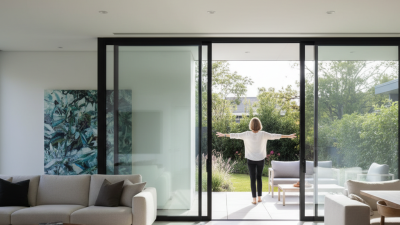
Expert designer Julia Hart emphasizes, "The right sliding glass doors create a seamless connection between indoor and outdoor spaces." This highlights the need for careful consideration in style, material, and installation. Mistakes can lead to energy inefficiency or poor visual appeal.
Moreover, homeowners often underestimate factors like maintenance and safety features. It's essential to assess the long-term value of your investment. Choosing the wrong style can clash with your home's design. Evaluating these aspects will lead to a more satisfying outcome. Ultimately, your choice of interior sliding glass doors should reflect your personal style and lifestyle needs.
Factors to Consider When Selecting Interior Sliding Glass Doors
Choosing the right interior sliding glass doors involves several important factors. First, consider the space where the doors will be installed. Measure the potential doorway accurately. A common mistake is underestimating the height or width requirements. Many homes benefit from doors that maximize light while offering privacy.
Material choice is crucial. Glass doors come in various types: frosted, clear, or tinted. According to industry reports, 75% of homeowners prefer frosted glass for areas needing privacy, such as bathrooms and bedrooms. This option still allows light in without compromising seclusion. Additionally, the frame material impacts durability and aesthetics. Wood offers warmth but requires maintenance. Metal or vinyl options provide robustness with less upkeep.
Tips: Always check the door's sliding mechanism. A smooth glide is essential for functionality. Over time, tracks can wear down, leading to performance issues. Cleaning and lubrication can extend their life. Assess your home’s style too. A modern home might clash with traditional door designs. Look for doors that enhance your interior’s vibe. This is where personal taste meets functionality, and sometimes it’s hard to find the perfect balance.
Types of Interior Sliding Glass Doors Available
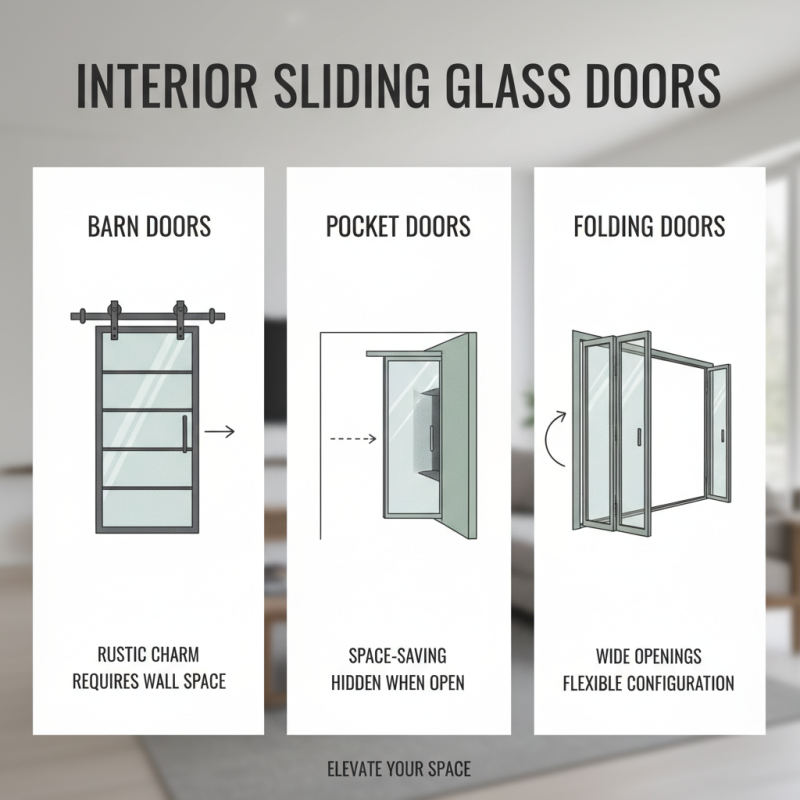
When considering interior sliding glass doors, understanding the different types available is key. These doors are not just functional; they can elevate your space. They come in various styles such as barn doors, pocket doors, and folding doors. Barn doors can add a rustic charm to your home. However, they require space to slide open.
On the other hand, pocket doors disappear into the wall when opened, saving valuable floor space. They are sleek and modern, but installation can be more complex. Folding doors, often used for large openings, allow you to blend indoor and outdoor spaces. However, they may not be suitable for smaller areas as they can be bulky.
Each type has unique aesthetics and practical considerations. It is essential to consider your lifestyle and the room’s function. If you have children or pets, you might prioritize durability. Also, think about the light they will bring in. Will the transparency work with your privacy needs? Reflecting on these aspects can guide your decision-making process.
Measuring Your Space for Sliding Glass Door Installation
When considering sliding glass doors, measuring your space accurately is crucial. Many homeowners underestimate the importance of precise measurements. According to industry reports, about 30% of door installation issues stem from incorrect measurements. It’s essential to measure the height and width of the door frame. Checking for any obstructions, like light switches or furniture, can prevent future complications.
Start by measuring the width of your opening at three points: the top, middle, and bottom. This method accounts for any irregularities in your wall. Don’t forget to measure the height—go from the floor to the top of the frame. A simple mistake here can lead to ill-fitting doors. If your measurements are off, the doors may not slide smoothly, or worse, they could require costly adjustments.
For a successful installation, allow extra space on each side for the tracks. The space around your door also matters. Poor space allocation can limit accessibility and reduce aesthetic appeal. Industry specialists recommend at least 2 inches of clearance. Ignoring this rule can lead to mismatched aesthetics and bothersome functionality. Careful planning allows both beauty and practicality in your design.
Choosing the Right Material and Finish for Your Doors
When selecting sliding glass doors, material and finish are crucial. The choice you make can significantly impact the aesthetic and durability of your space. According to industry data, 70% of homeowners prefer vinyl or fiberglass for their doors due to energy efficiency. These materials provide insulation and can reduce heating costs significantly. However, wooden doors are popular for their natural look. They add warmth, offering a cozy touch but require more maintenance.
Finishing touches also matter. A high-quality finish can enhance the lifespan of your doors. Research shows that UV-resistant coatings can extend door longevity by up to 30%. Matte finishes hide fingerprints and dust better than glossy finishes, which can show imperfections. Many homeowners overlook these details during selection. It's important to weigh aesthetics against functionality. Finding the right balance can be tricky. Some may prioritize looks over practicality, leading to frequent replacements or repairs.
Choosing the right material and finish is not just about preference. It's about understanding your lifestyle and home environment. Consider your climate, foot traffic, and long-term maintenance. If not evaluated properly, you might end up needing replacements sooner than expected. This can be both costly and frustrating. Take time to reflect on your choices before deciding.
Material Preferences for Interior Sliding Glass Doors
Understanding Installation and Maintenance Requirements for Glass Doors
Choosing the right interior sliding glass doors involves understanding installation and maintenance needs. Many homeowners underestimate the complexity of installation. According to industry reports, improper installation can lead to issues like air leaks and compromised insulation. These problems may cost you more in energy bills over time.
Maintenance is equally important. Glass doors require regular cleaning to maintain clarity and appearance. Dirt and grime can accumulate quickly if not addressed. Interestingly, studies show that approximately 30% of homeowners neglect routine maintenance. Over time, this neglect can lead to more significant repairs. Regular checks for wear on seals and tracks are crucial.
Some might think glass doors are a set-and-forget installation. This is a misunderstanding. The need for periodic upkeep can feel overwhelming. However, staying proactive can extend the lifespan of these doors significantly. It's a task that requires attention but rewards you with beauty and functionality in your home.