How to Choose the Best Chenille Fabric for Your Projects?
Choosing the right Chenille Fabric for your projects can be a daunting task. Renowned textile expert Dr. Emily Carter once said, "The texture and versatility of Chenille Fabric can elevate any design." Her insights underscore the importance of understanding this unique material.
Chenille Fabric, known for its soft and plush texture, has become a popular choice in home decor and fashion. When selecting Chenille, consider the weight and pile height. A heavier fabric tends to be more durable, while a shorter pile offers a sleeker finish. Reflect on your project’s needs. Will it be used for upholstery, clothing, or accessories? Choosing wisely can make or break your creation.
The color and design of Chenille Fabric also matter. Rich, vibrant hues can enhance a space, but fading can be a concern. Look for fabrics that maintain their color over time. However, finding the perfect balance between style and practicality requires careful thought. Evaluating these factors can lead to a more satisfying end result, transforming your vision into a tangible masterpiece.
Understanding Chenille Fabric: Characteristics and Benefits
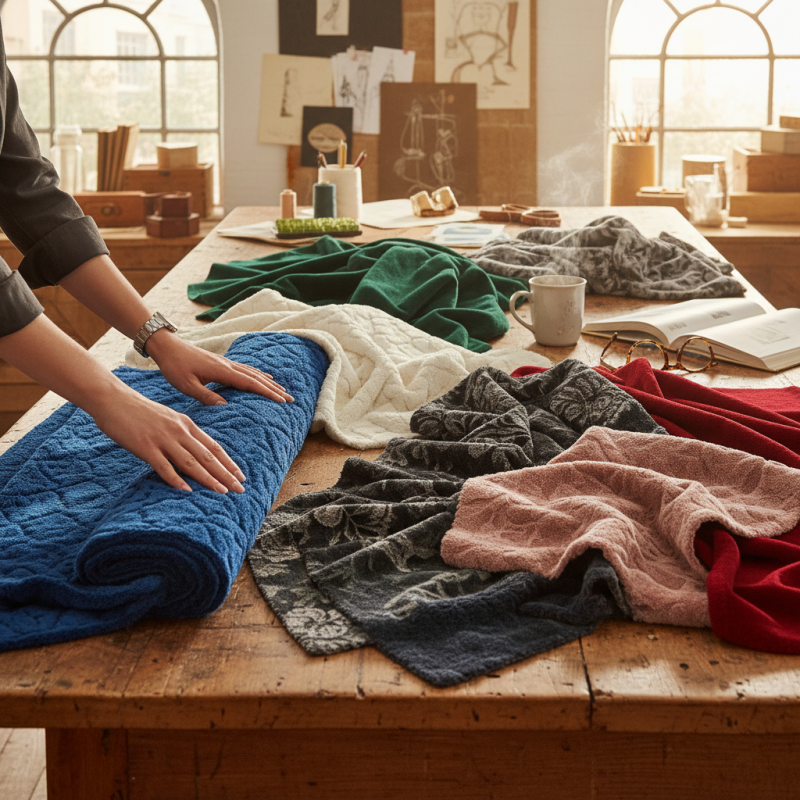
Chenille fabric is known for its soft texture and vibrant colors. Understanding its characteristics can help in selecting the best type for your projects. This fabric features raised loops, which add thickness and warmth. It’s perfect for blankets, cushions, and various crafts. The plushness makes it comforting and durable, suitable for both decorative and functional use.
One important aspect of chenille is its care requirements. Although it is generally machine washable, it can be prone to shedding. It’s wise to test a small section before committing to larger projects. If the project is for heavy use, consider blending chenille with stronger fabrics for added durability.
Tips: Always check the fabric’s weight before buying. Lighter chenille is great for clothing, while heavier options work well for upholstery. Make sure the color and texture match your vision. Testing swatches can save a lot of headaches later. Embrace the learning process—sometimes, your initial choice may not meet your expectations, but that’s part of the creative journey.
Types of Chenille Fabric: Selecting the Right Variety for Your Project
When selecting chenille fabric, consider the various types available. Chenille comes in different materials, such as cotton, polyester, and blends. Each type offers unique characteristics. Cotton Chenille is soft and breathable, making it ideal for clothing. Polyester chenille is durable and easy to clean, perfect for upholstery projects. Blended options often offer the best of both worlds.
Tips for choosing the right chenille: Think about your project's needs. If it's for a child's room, opt for a durable fabric that withstands wear. For a cozy throw blanket, a softer option like cotton may be preferable. Pay attention to the fabric's texture; some types can be very plush while others are flatter.
Also, consider the color and pattern. Different looks can influence your project's mood. A bright, bold pattern can energize a space, while muted colors tend to be calming. Don't rush the decision. Take samples home and feel the fabric. This step is essential. You'll want to ensure the chenille meets your expectations before committing.
Considerations for Color and Texture in Chenille Fabric Selection
Choosing the right chenille fabric for your project is crucial. When considering color, think about the mood you want to create. Bold colors can energize a space, while softer shades offer a calming effect. Warm tones like reds and oranges bring warmth, while cool tones like blues and greens evoke tranquility.
Texture is equally important. Chenille's unique plush surface can add depth and interest to any item. It feels soft and luxurious, perfect for cozy blankets or throw pillows. Yet, it may not suit all purposes. For durable, high-traffic areas, consider its resilience. Sometimes, a different fabric may be a better match.
Testing samples in your intended environment is wise. Colors can shift under different lighting conditions. Make sure to check how the fabric looks in natural light, artificial light, and at various angles. Chenille may not always behave as expected, so explore its nuances. Take your time to select, as this choice will impact your overall project significantly.
Evaluating Durability and Care Requirements for Chenille Fabrics
When choosing chenille fabric, durability is key. Chenille is often made from various fibers, including cotton and polyester. Each fiber impacts the fabric's strength and longevity. Cotton chenille offers a soft, luxurious feel. However, it may wear down quicker than synthetic options. In contrast, polyester chenille can resist fading and withstand more stress over time.
Care requirements also matter significantly. Many chenille fabrics necessitate gentle washing to maintain their texture. Machine washing on a delicate cycle may work, but hand washing is safer. Always check the fabric's label for specific care instructions. Improper care can lead to pilling or loss of softness. Remember, some chenille fabrics are dry clean only, which can add to maintenance costs.
Consider your project’s needs. If it's for high-traffic areas, durability should take precedence. If it’s for occasional use, softness might be more important. Balancing these factors will guide you in selecting the best chenille for your project. Don't forget to factor in how the fabric feels and looks, as these personal preferences enhance your satisfaction with the final product.
Durability and Care Requirements of Different Chenille Fabrics
Where to Find High-Quality Chenille Fabric: Tips and Resources
When searching for high-quality chenille fabric, it’s essential to consider a few key factors. Look for reputable fabric stores, both online and in-person, offering a wide range of options. Choose suppliers known for their selection and customer service. Websites specializing in fabrics often provide user reviews, which can help in making informed decisions.
Visiting local fabric markets is another option. These markets allow you to feel the fabric firsthand. Touching assorted textures helps gauge quality better than images online. Ask storeowners about the origin of their chenille. This can often provide insights into the fabric’s durability and quality.
Don’t hesitate to ask for swatches. Many suppliers are willing to send samples for a small fee. This allows you to test the fabric against your project needs. Consider the weight and feel of the chenille as you plan your project. Sometimes, what looks good online may not meet your expectations upon arrival. Pay attention to those details to ensure the best outcome for your work.