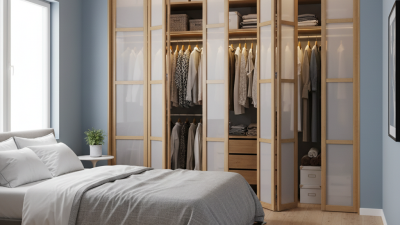
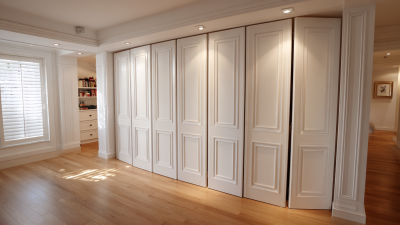
What is a Folding Door and How Does It Work?
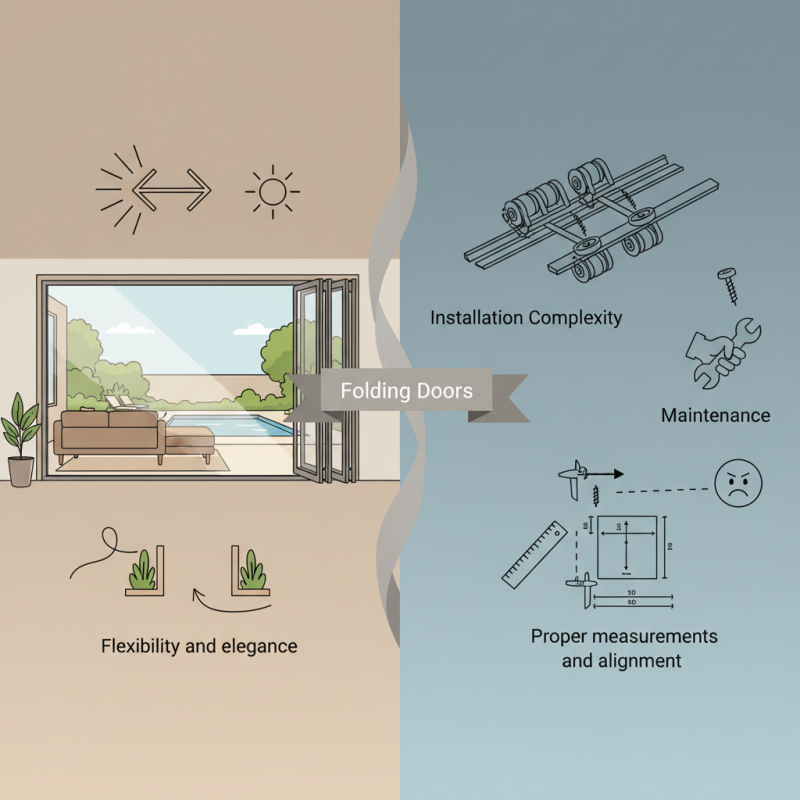
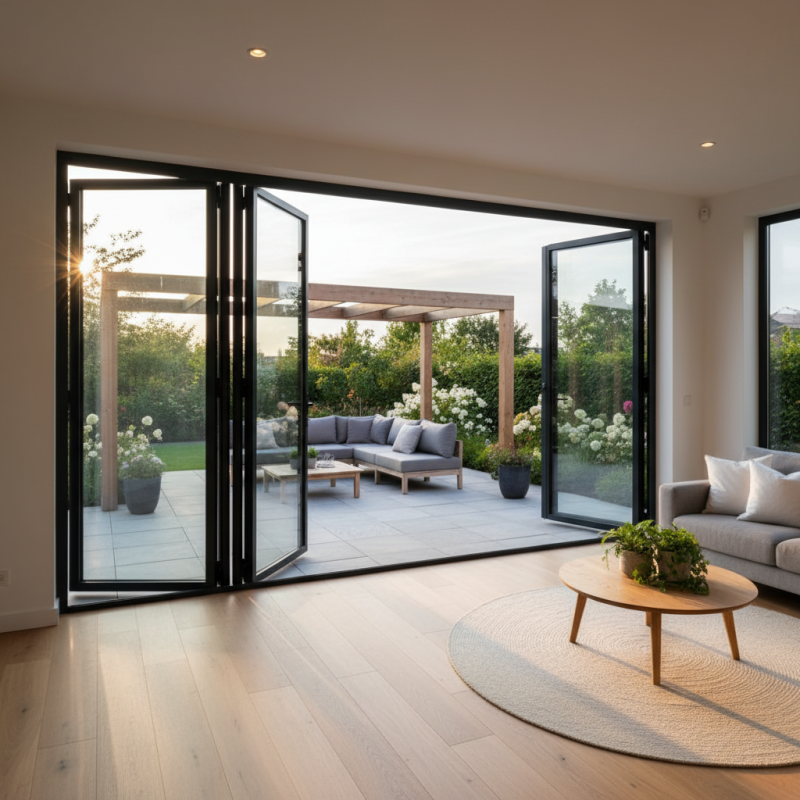
Folding doors are gaining popularity in modern architecture. They offer flexibility and elegance in both residential and commercial spaces. These doors open up a room, creating a seamless flow between the indoors and outdoors.
The design of folding doors allows them to fold in on themselves. When fully opened, they provide an expansive opening that enhances natural light. Many find folding doors a stylish solution for patios, living areas, or even office spaces.
However, some might underestimate their installation complexity. Proper measurements and alignment are crucial for seamless function. Also, maintaining the tracks can require attention. Users often overlook these details, leading to frustration. In sum, while folding doors present appealing benefits, they come with considerations that require careful thought.
What is a Folding Door?
Folding doors are gaining popularity for both residential and commercial spaces. They offer flexibility and can transform a room instantly. These doors consist of panels that fold to the side, creating wide openings. This feature makes them ideal for maximizing space. According to a report by the National Association of Home Builders, homes with folding doors can increase perceived square footage by up to 25%.
Installing folding doors can present challenges. Proper measurements are crucial for a seamless fit. If not done correctly, you may face alignment issues. Additionally, the type of material matters. For instance, wood offers warmth but may warp. Metal is durable but can be expensive. It’s important to weigh these aspects to make an informed decision.
Tip: When selecting your folding door, think about the climate. For areas with high humidity, choose materials that resist moisture. This can save future repair costs. Remember, maintaining a balance between aesthetics and functionality is key when deciding on your folding door design.
Materials Used in Folding Doors
Folding doors are versatile and space-saving solutions. They are designed to open by folding back in sections. The materials used in their construction play a crucial role in functionality and aesthetics. Common materials include wood, aluminum, and vinyl.
Wood offers warmth and a classic look. It's often chosen for homes. However, wood can warp over time. Aluminum is lightweight and durable. It’s ideal for modern spaces. Still, it can get cold in winter. Vinyl is low-maintenance and offers good insulation. Yet, it may lack the elegance of wood.
When selecting materials, consider your environment. Humidity affects wood’s performance. Look for options that balance style and durability. Always check for quality. Be wary of flimsy designs. They could lead to future issues. A folding door should be practical yet stylish.
Mechanism of How Folding Doors Operate
Folding doors are versatile solutions for both homes and offices. They can open up spaces, connecting indoor and outdoor areas. Understanding their mechanism sheds light on their usefulness.
These doors operate using a series of hinges that allow them to fold along a track. When the door opens, it collapses to one side, saving space. Some models utilize rollers on tracks for smoother operation. This reduces wear and tear on the hinges, making them last longer. A compact design allows for wide openings without needing a lot of swinging space.
Tips: Regular maintenance is key. Check the hinges and tracks regularly for dirt or debris. Clean them to ensure smooth operation. You might notice that adjustment screws can be tricky. It’s easy to over-tighten or under-tighten them, leading to uneven openings. Pay close attention to how the door operates after adjustments. If the folding mechanism becomes stiff or misaligned, it may require professional help.
Folding Door Usage in Residential vs. Commercial Buildings
This chart illustrates the number of folding door installations in residential and commercial buildings. As seen, there are significantly more installations in residential buildings compared to commercial settings, highlighting the popularity of folding doors for home use.
Benefits of Installing Folding Doors
Folding doors are becoming increasingly popular in modern homes. They offer a versatile way to connect indoor and outdoor spaces. One of the main benefits of installing folding doors is their ability to save space. Unlike traditional doors that swing open, folding doors slide to the side and fold neatly. This feature allows you to maximize floor space, especially in smaller rooms.
Another advantage is the natural light they bring. Folding doors often feature large glass panels that let sunlight flood into your home. This brightness can create a welcoming atmosphere. However, it’s important to ensure these doors are well-insulated. Poor insulation might lead to energy loss, increasing your heating and cooling costs.
Folding doors also enhance aesthetics. They can make a room feel larger and more open. Many people find this attractive. However, selecting the right style can be challenging. Sometimes, colors and materials may not match your home’s decor as seamlessly as hoped. It’s vital to consider your existing design before making a choice. Overall, folding doors can be a stylish and functional addition if selected wisely.
What is a Folding Door and How Does It Work? - Benefits of Installing Folding Doors
| Dimension |
Description |
Benefits |
| Material |
Common materials include wood, aluminum, and vinyl. |
Variety allows for aesthetic flexibility and durability. |
| Operation Style |
Folding doors operate by folding panels together. |
Maximizes openings and enhances indoor-outdoor flow. |
| Space Efficiency |
They require less space to open compared to traditional doors. |
Ideal for small areas or rooms with limited space. |
| Insulation |
Can provide insulation with energy-efficient options. |
Helps reduce energy costs by maintaining indoor temperatures. |
| Installation Cost |
Costs vary based on material and customization. |
Adds value to the property and enhances usability. |
Applications and Popular Uses of Folding Doors
Folding doors are versatile and functional. They are commonly used in both residential and commercial spaces. These doors slide and fold to open up areas completely. This feature allows for great flexibility in space usage. Many homeowners install folding doors to enhance their living environments. They create a seamless transition between indoor and outdoor spaces.
In restaurants, folding doors serve a crucial role. They can be opened to create an outdoor dining area. This flexibility can boost customer enjoyment. In offices, folding doors can divide or connect meeting spaces. This system helps in managing space efficiently. Large windows in these doors bring in natural light. However, the installation can sometimes be tricky. Making it weatherproof is essential in outdoor settings.
Folding doors are also popular in retail spaces. They can attract customers with an open vibe. By integrating plants or decorations, the ambiance improves. Yet, maintenance can be overlooked. Regular checks are needed to ensure smooth operation. Overall, folding doors offer practical solutions for various needs. But careful planning will yield the best results.